Active monitoring
The Cocaine Route
How billions in cocaine flows from South America to European streets
// intel brief
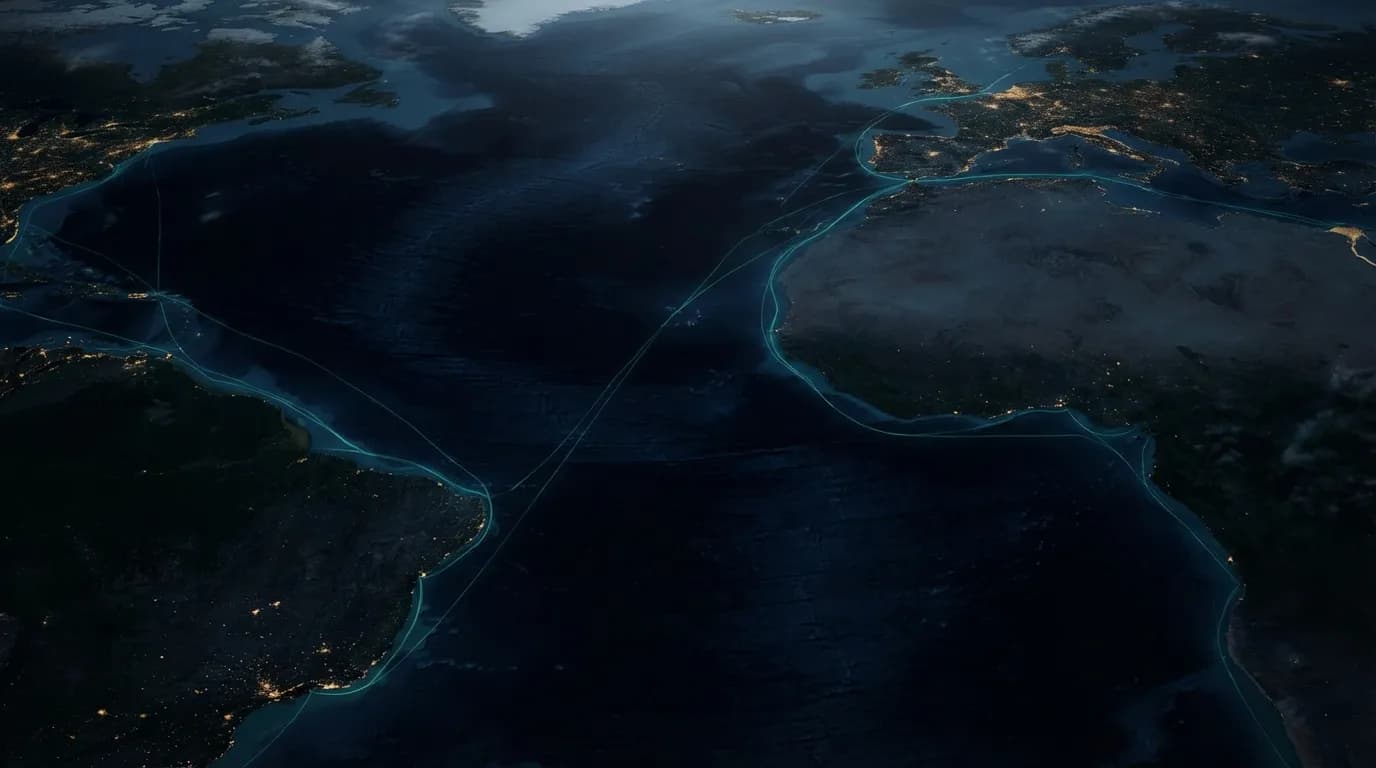
Europe has become the world's most profitable cocaine market. The drug flows through three main corridors: directly across the Atlantic to major European ports, via West Africa as a transit hub, and through Morocco and Spain. Dutch-Moroccan networks play a central role in distribution, using the ports of Rotterdam and Antwerp as primary entry points. Annual seizures exceed 200 tonnes, but experts estimate this represents only 10-20% of actual flow.
// weekly intelligence briefing
Get classified updates on this file and 17 others. Every Monday.
// timeline
202049.3 tonnes seized at Port of Antwerp alone
2021Record 89.5 tonnes seized in Antwerp; Rotterdam seizes 70+ tonnes
2022110 tonnes seized in Antwerp - new record. Europe surpasses US as cocaine market
2023Port of Rotterdam installs AI scanners; EncroChat evidence leads to 100+ arrests
// key locations
Port of Rotterdam
Europe's largest cocaine port
Port of Antwerp
Europe's second cocaine port
Guayaquil, Ecuador
Shipping port
Guinea-Bissau
West Africa transit hub
// operation map
// key figures
Mohamed NoffelDetained
Drug Lord / Importer | NL/MA
Suspected major cocaine importer. Linked to shipments through Rotterdam and Antwerp. Arrested and currently detained.
Corrupt Port Workersstatus_unknown
Insiders / Port Extractors | NL/BE
Corrupt port workers who retrieve cocaine from shipping containers. "Uithalers" are recruited with payments of EUR 50,000-100,000 per container.
South American Cartelsstatus_unknown
Suppliers | CO/MX/EC
Colombian and Mexican cartels supply cocaine. The Clan del Golfo, CJNG, and remnants of FARC are main suppliers to European networks.
West African Transit Networksstatus_unknown
Transit | GN/GW/SN
West African countries like Guinea-Bissau, Guinea, and Senegal serve as transit hubs. Cocaine arrives by boat or plane and is reshipped to Europe or stored.
// other files
Marengo
The trial that exposed the heart of Dutch organized crime
EncroChat
How police cracked the criminal underworld's secret phone network
Mocro Maffia
The rise of Dutch-Moroccan organized crime networks in Europe
Port Wars
The battle for Europe's cocaine gateways - Rotterdam vs Antwerp
Rif Connection
Morocco's Rif Mountains - the world's largest hashish production zone
Isaac "Boom" B.
From Katendrecht to cocaine kingpin - the rise and fall of Black Mamba
Taghi Dynasty
How Ridouan Taghi ran a criminal empire from the most secure prison in the Netherlands
Sky ECC
The crack of the century - how Belgian police broke the criminal underworld's encrypted phone network
Taghi's Hitman
The rise and fall of Gerel P. - Ridouan Taghi's most trusted assassin, from Utrecht to a Brazilian prison cell
Audi Gang
Dutch ATM bombers terrorizing Germany - high-speed Audis, explosives, and a trail of destruction across the border
The Invisible Baron
The shadowy rise and violent world of Peter van D, Limburg's unseen drug lord.
The Cocaine War
How the theft of 1,400 kg of cocaine from Antwerp ignited a six-week war across the Netherlands
The Helicopter Escape
Benaouf Adaoui - the man who ignited the Mocro War and planned one of the Netherlands' most spectacular prison escapes
Antwerp Drug War
How Europe's second port became a warzone between rival cocaine clans
Kompania Bello
The Albanian cocaine federation run from behind prison bars in Ecuador
Kinahan Tankers
How a UFC fighter linked to the Kinahan cartel directed $84 million in sanctioned oil tankers
The Shadow Bank
How billions in criminal money moves across the world without a single bank transfer
Copja Organization
Albanian cocaine empire run from Dubai luxury towers
Jarki
The middleman who connected Taghi's inner circle to the murder of Peter R. de Vries
The Weski Case
When the defense lawyer became the defendant - the fall of Inez Weski
keywords
cocaine / route / transport / container / port / haven / rotterdam / antwerp